Can Milk Thistle be the key to combating metabolic syndrome?
Share
Verified by: Bernadine Lim, B.Sc in Physiotherapy
In today’s fast-paced, high-stress, and sedentary lifestyle, metabolic syndrome has emerged as a critical health challenge in Singapore. As the nation grapples with a rapidly ageing population, the prevalence of metabolic syndrome has become particularly pronounced among seniors.
Recent data indicates that 41.0% of older adults in Singapore are affected by metabolic syndrome. This risk increases significantly with age; among those aged 85 and above, 1 in 2 (50.0%) live with this condition. This trend underscores an urgent need for targeted health interventions as Singapore navigates the complexities of its "super-ageing" society.
What is metabolic syndrome?
According to American Heart Association, metabolic syndrome is a cluster of five conditions that can lead to heart disease, diabetes, stroke and other health problems. Metabolic syndrome is diagnosed when someone has three or more of these risk factors:
· High blood glucose (sugar)
· Low levels of HDL (“good”) cholesterol in the blood
· High levels of triglycerides in the blood
· Large waist circumference or “apple-shaped” body (> 40 inches/102 cm in men & >35 inches/88 cm in women)
· High blood pressure
Singaporeans’ dietary habits, including frequent consumption of sweetened drinks, refined carbohydrates and oily foods, are important contributors to metabolic syndrome, along with an unhealthy lifestyle, poor stress management, physical inactivity, increasing age, genetic predisposition and certain medications. Although metabolic syndrome is more common among older adults in Singapore, it is also seen in younger adults, and even underweight or normal‑weight individuals can develop this condition.
Lifestyle modification is the first-line treatment before medication. Recently, ameliorating metabolic syndrome using herbal approaches has caught the interest. One such natural remedy that has drawn scientific attention is milk thistle (Silybum marianum).
Milk thistle: A natural liver tonic
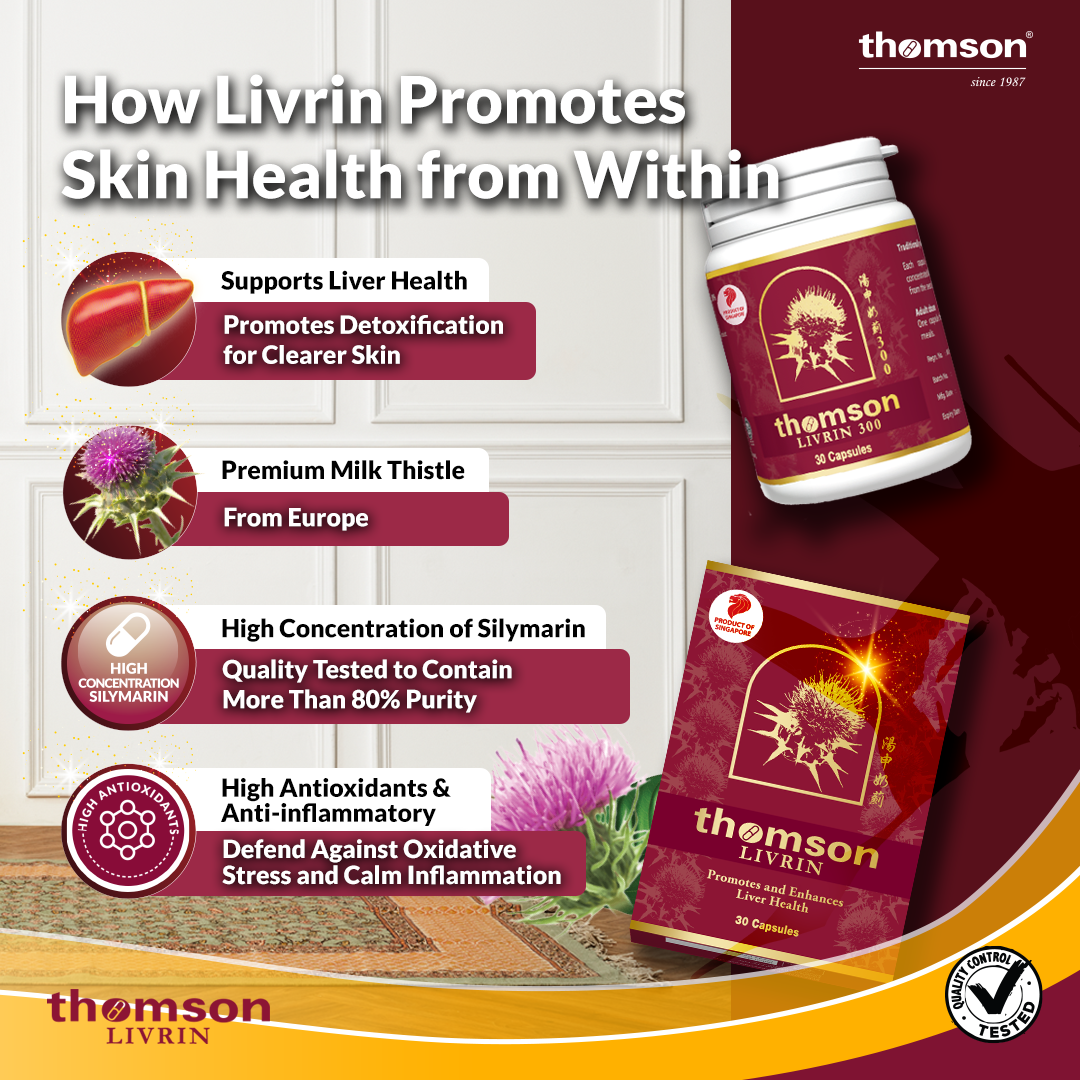
Silybum marianum, also known as Milk thistle, is an ancient plant from the Mediterranean that has been used for liver protection for nearly 2000 years, and is extracted from the dried seeds of milk thistle. It is very commonly formulated in supplements as a liver protectant; it contains a bioactive compound called Silymarin.
Silymarin, a complex of flavonoids and antioxidants, is known for its hepatoprotective effects. This compound in milk thistle helps shield the liver from damage, supports liver cell regeneration, and improves overall liver function. It also suppresses inflammatory pathways, reducing inflammation and potentially limiting liver-related diseases. While silymarin does not affect viral replication, its anti-inflammatory and cytoprotective properties may benefit individuals with viral hepatitis. Additionally, its influence on protein synthesis supports tissue repair and helps normalise liver enzyme levels.
But here’s the real question: Can milk thistle help combat metabolic syndrome?
Milk thistle was being studied for its potential to support metabolic health. Research suggests that it may help regulate blood sugar, reduce insulin resistance, lower blood pressure, and improve lipid profiles, making it a promising complementary option in managing metabolic syndrome.
Silymarin Enhances Insulin Sensitivity and Glycaemic Control in Type 2 Diabetes
Insulin is a hormone produced by the pancreas that regulates blood sugar levels. Insulin resistance plays a significant role in metabolic syndrome and the development of type 2 diabetes. Milk thistle is becoming increasingly popular as a natural way to support healthy blood sugar levels, especially for those with insulin resistance or type 2 diabetes. Its key ingredient, silymarin, is known for its strong antioxidant and anti-inflammatory qualities, and might help improve the body's response to insulin.
Studies have shown that milk thistle extract can help lower fasting blood sugar (FBS) and reduce HbA1c levels, which reflect average blood sugar over three months. A 4-month randomised, double-blind clinical trial, published in Phytotherapy Research, revealed that type 2 diabetic patients treated with silymarin experienced significant reductions in HbA1c, a 12.8% decrease, and FBS, a 14.7% decrease compared to both their baseline values; while there was an elevation for both in the placebo group.
Exposure to high glucose levels can lead to pancreatic beta cell dysfunction, cellular lipid accumulation, cell apoptosis, impaired glucose‐stimulated insulin secretion (GSIS), and potential glucotoxicity.
Some research demonstrated that how milk thistle or silymarin, or silybin works is by improving the function of insulin receptors and glucose transporters, making it easier for cells to absorb glucose from the bloodstream. It is also suggested that milk thistle triggers a direct increase in insulin secretion from Langerhans beta cells in pancreas, mitigating insulin resistance, or glycaemic control through the gut–brain–liver axis. Additionally, the anti‐inflammatory and antioxidant effects of milk thistle extract may also play a role in protecting the pancreatic cells from damage or destruction, thereby increasing insulin synthesis.
Taking steps to boost insulin sensitivity can be a wonderful part of maintaining good long-term metabolic health, especially important in managing or preventing metabolic syndrome.
Cholesterol Management and Hepatitis Improvement by Milk Thistle
Milk thistle may also play a role in cholesterol management, particularly in regulating low-density lipoprotein (LDL), commonly referred to as "bad cholesterol." Studies suggest that the active compound in milk thistle, silymarin, may help reduce serum LDL levels while supporting an increase in high-density lipoprotein (HDL), or "good cholesterol." One of the key mechanisms whereby this occurs is through the antioxidant and anti-inflammatory effects of silymarin, which reduce oxidative stress in the liver, the central organ involved in cholesterol synthesis and metabolism. In fact, about 60-70% of the cholesterol in our body is produced in our liver.
A study conducted by Huseini et al. found a significant reduction in total cholesterol (12%), LDL (12.1%), and triglyceride (25.7%) levels in diabetes patients after taking 600mg milk thistle supplementation for four months.
Non-alcoholic fatty liver disease (NAFLD) is commonly associated with metabolic syndrome, obesity, diabetes, and hyperlipidemia, and may elevate the liver enzymes. Recently, the experts advocated renaming NAFLD to metabolic dysfunction-associated steatotic liver disease (MASLD). Silymarin was found to significantly reduce liver enzymes - AST and ALT levels in a recent meta-analysis by Malik et al., which involved 412 patients treated with silymarin from nine clinical trials. The findings also showed a significant reduction in the levels of triglycerides and an improvement in HDL.
Silymarin is thought to modulate liver enzyme activity involved in cholesterol biosynthesis, particularly by downregulating HMG-CoA reductase, the same enzyme targeted by statin medications. This can lead to decreased internal cholesterol production. Additionally, silymarin may enhance bile production and secretion, promoting the excretion of excess cholesterol via bile acids.
By improving lipid profiles and reducing oxidative damage to lipids, milk thistle may also reduce the risk of atherosclerosis (plaque buildup in arteries), which is a major contributor to cardiovascular disease.
Milk thistle Supports Healthy Blood Pressure
Milk thistle has been studied and has shown potential effects on vascular health, particularly in lowering hypertension (high blood pressure) in research on metabolic syndrome or involving diabetes patients. Research suggests that the active compound silymarin may support blood pressure regulation through its strong antioxidant and anti-inflammatory properties in the vascular system. It can improve endothelial function by enhancing the flexibility and responsiveness of blood vessels, which promotes better circulation and helps maintain more balanced blood pressure over time.
Additionally, several studies indicate that silymarin may exert diuretic effects and enhance sodium and potassium excretion, thus helping in regulating blood pressure. Besides that, milk thistle also enhances bile production and excretion (as mentioned above in helping to regulate cholesterol), which can indirectly affect sodium levels as bile plays a role in electrolyte balance as well.
Milk thistle Supports Weight Management
Metabolic syndrome is often tied to obesity, where excess calories, regardless of their source (carbohydrates, proteins, or fats), are primarily stored as triglycerides in fat cells (adipocytes). Blood glucose and lipid metabolism are linked to each other in many ways. Silymarin has demonstrated benefits in improving insulin resistance and lipid metabolism, as well as antioxidant and anti-inflammatory properties at the molecular level.
There is a preclinical study suggesting milk thistle induces thermogenesis and energy expenditure. While not a direct weight-loss supplement, its role in improving metabolic function may assist in managing obesity and associated complications.
The Liver’s Central Role in Metabolic Health
The liver plays a crucial role in metabolism, the process by which the body converts food into energy and other essential substances. It is involved in the metabolism of carbohydrates, fats, and proteins, as well as the storage and release of vital nutrients, hormone regulation and the detoxification of harmful substances. The liver plays a key role in keeping our metabolism healthy. It helps manage blood sugar levels, breaks down fats, and filters out toxins from the body.
When the liver isn’t working properly—such as in conditions like fatty liver disease—these important processes can be disrupted and cause health problems like high blood sugar, high cholesterol, and weight gain. Metabolic syndrome can be considered a specific type of metabolic disorder, as it involves a cluster of metabolic abnormalities.
In addition, a sluggish liver can cause fatigue, digestive issues, skin problems, and even mental health issues. Taking care of our liver is a key step toward improving overall metabolic health and general well-being.
What lifestyle changes can effectively reduce the risk of metabolic syndrome in individuals?
Adopting a healthier lifestyle and diet can significantly lower the risk of metabolic syndrome.
ü Eat a balanced diet rich in fruits, vegetables, whole grains, and lean proteins
ü Increase physical activity or exercise regularly
ü Manage stress effectively
ü Avoid tobacco use and limit alcohol consumption
Important changes include maintaining a balanced diet, engaging in regular physical activity, and managing stress. Additionally, avoiding tobacco use and limiting alcohol intake are beneficial.
Smoking increases the risk of blood clots, high blood pressure, and atherosclerosis. Studies showed that even secondhand and thirdhand smoke can harm the liver. Excessive alcohol consumption can severely damage the liver, leading to cirrhosis, a condition where the liver becomes scarred and permanently damaged. It is recommended that men limit themselves to no more than two drinks a day and women to one. For individuals with liver disease, complete abstinence from alcohol is advised.
Although milk thistle is generally considered safe for most people, it may interact with certain medications, especially those processed by the liver. Consulting a healthcare provider before starting any new supplement is crucial, particularly for individuals with metabolic syndrome, other health issues, or those taking different medications. People allergic to plants in the Asteraceae/Compositae family, such as ragweed, daisies, and marigolds, should use milk thistle cautiously.
Final Thoughts
While the effects of milk thistle may be modest compared to pharmaceutical treatments, it offers a natural, supportive option for managing metabolic syndrome, not a standalone solution, particularly when combined with lifestyle changes. Incorporating it into a holistic health approach that includes a healthy diet, physical activity, and professional care may enhance outcomes.
As understanding of metabolic health continues to evolve, natural options like milk thistle could play a complementary role in addressing this growing health issue.
References
Abenavoli, Ludovico, et al. "Milk thistle for treatment of nonalcoholic fatty liver disease." (2011): 173-177.
Dagli Gul, A. S., Boyuk Ozcan, G., & Arihan, O. (2024). Silibinin as a promising treatment for diabetes: Insights into behavioral and metabolic changes in an animal model. Food science & nutrition, 12(5), 3336–3345.
de Freitas, Jessica Alves, et al. "Silymarin: A Natural Compound for Obesity Management." Obesities 4.3 (2024): 292-313.
Eapen, Zubin J., et al. "Defining heart failure end points in ST-segment elevation myocardial infarction trials: integrating past experiences to chart a path forward." Circulation: Cardiovascular Quality and Outcomes 5.4 (2012): 594-600.
El Menyiy, Nawal1; Al-Waili, Noori2,; El-Haskoury, Redouan1; Bakour, Meryem1; Zizi, Soumia1; Al-Waili, Thia2; Lyoussi, Badiaa1. Potential effect of Silybum marianum L. and Cistus ladaniferus L. extracts on urine volume, creatinine clearance and renal function. Asian Pacific Journal of Tropical Medicine 11(6):p 393-398, June 2018. | DOI: 10.4103/1995-7645.234768
Huseini, H. F., Larijani, B., Heshmat, R., Fakhrzadeh, H., Radjabipour, B., Toliat, T., & Raza, M. (2006). The efficacy of Silybum marianum (L.) Gaertn. (silymarin) in the treatment of type II diabetes: a randomized, double-blind, placebo-controlled, clinical trial. Phytotherapy research: PTR, 20(12), 1036–1039.
Kazazis, Christos E., et al. "The therapeutic potential of milk thistle in diabetes." The review of diabetic studies: RDS 11.2 (2014): 167.
Malik, A., Malik, M., & Qureshi, S. (2024). Effects of silymarin use on liver enzymes and metabolic factors in metabolic dysfunction-associated steatotic liver disease: a systematic review and meta-analysis. Canadian liver journal, 7(1), 40–53.
Taleb, Abdoh, et al. "Antioxidant effects and mechanism of silymarin in oxidative stress induced cardiovascular diseases." Biomedicine & Pharmacotherapy 102 (2018): 689-698.
Vahabzadeh, Maryam, Nafise Amiri, and Gholamreza Karimi. "Effects of silymarin on metabolic syndrome: a review." Journal of the Science of Food and Agriculture 98.13 (2018): 4816-4823.
Zare Mehrjerdi, Parisa, et al. "Silibinin as a major component of milk thistle seed provides promising influences against diabetes and its complications: A systematic review." Naunyn-Schmiedeberg's Archives of Pharmacology 397.10 (2024): 7531-7549.
Sadeghi, Gholamreza, Fatemeh Mohammadzadeh, and Seyedreza Mazloum. "Effect of Milk Thistle on Hyperlipidemia: A Systematic Review." Navid No 22.72 (2020): 64-73.
Merchant, R. A., Y. H. Chan, J. Y. Lim, and J. E. Morley. "Prevalence of Metabolic Syndrome and Association with Grip Strength in Older Adults: Findings from the HOPE Study." Diabetes, Metabolic Syndrome and Obesity: Targets and Therapy 13 (2020): 2677-2686.